


Choosing a home is about more than the property itself. Where a home is located can affect your commute, access to everyday services, opportunities for recreation, and how easily you can enjoy the activities that matter to you.
Vancouver, Washington, offers a variety of residential settings and housing options. Instead of searching for a single "best" neighborhood, a better approach is to compare areas based on objective features and determine which location aligns with your own priorities.
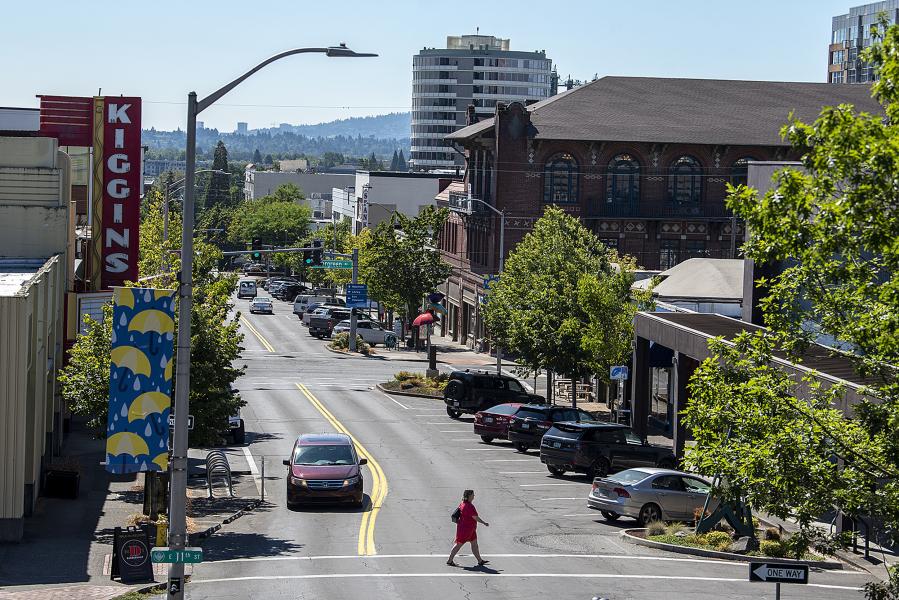
Here are some factors to consider when exploring Vancouver neighborhoods.
Start With Your Everyday Routine
Before looking at specific neighborhoods, think about what you want your typical week to look like.
Consider questions such as:
- How often do you commute?
- How important is access to major roads?
- Do you prefer walking or driving to nearby destinations?
- How often do you visit restaurants, shops, or coffee shops?
- How important are parks and trails?
- Do you prefer a larger lot or a lower-maintenance property?
- Would you rather be closer to downtown or farther from the city center?
Writing down your priorities can make it easier to compare different locations objectively.
Your priorities may include:
- Access to major roads
- Nearby parks and trails
- Shopping and restaurants
- Walkability
- Public transportation
- Waterfront access
- Lot size
- Housing type
- Newer or established construction
- Distance to frequently visited destinations
There is no universal checklist. The goal is to determine which features are most important to you.
Consider the Housing Options
Different parts of Vancouver offer different types of housing.
Depending on the location, you may encounter single-family homes, townhomes, condominiums, newer construction, established homes, and properties with varying lot sizes.
Think about the property characteristics that work for your budget and preferences.
For example, compare:
- Home size
- Lot size
- Number of bedrooms and bathrooms
- Outdoor space
- Property maintenance requirements
- Parking
- Homeowners association requirements, when applicable
- Age and condition of the property
- New construction versus established construction
Remember that two homes with similar prices can offer very different ownership experiences because of their location, property type, lot size, and ongoing costs.
Look at Parks and Outdoor Recreation
If parks and outdoor recreation are important to your routine, consider the types of spaces available near the homes you're exploring.
The City of Vancouver's parks system includes more than 90 parks and approximately 1,600 acres of park land and natural areas.
Depending on the location, you may want to look at access to:
- Neighborhood parks
- Walking and biking trails
- Natural areas
- Sports facilities
- Playgrounds
- Open spaces
- Waterfront areas
Don't simply count how many parks are nearby. Consider whether the amenities and activities available match the way you like to spend your time.
Think About Your Commute
Transportation can be one of the most practical factors when comparing neighborhoods.
If you regularly travel between Vancouver and Portland, consider access to major routes and bridges. If you work from home, you may place more importance on nearby amenities, outdoor spaces, or the characteristics of the home itself.
When possible, test your potential commute during the time you would normally travel.
A location that appears close on a map may have a very different travel time during peak traffic.
You can also consider:
- Access to I-5
- Access to I-205
- Bridge routes
- Public transportation
- Typical travel times
- Parking and transportation needs
Consider Access to Nearby Amenities and Nearby Amenities
The ease of reaching nearby destinations can mean different things depending on what you want to access.
When visiting a neighborhood, look at the distance to places you regularly use, such as:
- Grocery stores
- Restaurants
- Coffee shops
- Retail
- Parks
- Libraries
- Professional services
- Public transportation
- Major roads
Some locations may offer more destinations within walking distance, while others may provide easier driving access and more space.
Neither option is automatically better. The important question is which arrangement fits your routine.
Explore Different Areas of Vancouver
Vancouver includes a variety of residential and mixed-use environments.
For example, areas around Downtown Vancouver and Esther Short provide access to the Vancouver waterfront, restaurants, businesses, public spaces, and cultural destinations.
Other parts of Vancouver include established residential areas, newer developments, suburban-style communities, and locations with convenient access to shopping, parks, trails, and transportation routes.
When comparing areas, focus on observable characteristics such as:
- Housing types
- Lot sizes
- Street layouts
- Sidewalks
- Parks
- Nearby businesses
- Transportation access
- Development patterns
- Distance to amenities
This allows you to evaluate a location based on its physical and practical characteristics rather than assumptions about the people who live there.
Visit Before You Decide
Online research is a helpful starting point, but visiting a neighborhood can provide information that photographs and maps cannot.
When you visit a potential location, take time to observe:
- Street layout
- Sidewalks and pedestrian access
- Traffic patterns
- Nearby businesses
- Parks and public spaces
- Housing styles
- Parking
- Noise
- Construction and development
- Travel times to places you visit regularly
Consider visiting at different times of day.
A neighborhood can feel different during a weekday commute than it does on a weekend afternoon. Seeing the area at different times can give you a better understanding of traffic, activity, and accessibility.
Think Beyond the House
A home can look perfect online, but its location is an important part of the overall purchase.
Before making a decision, consider how the property connects to your everyday routine.
Ask yourself:
Does this location provide the access, housing features, and amenities that matter to me?
That question can be more useful than asking whether a particular neighborhood is "the best."
Your Lifestyle, Your Priorities
There isn't one Vancouver neighborhood that is the right choice for every homebuyer.
The right location depends on your individual preferences, budget, transportation needs, desired housing type, and the amenities and activities you value.
Take the time to explore different areas, compare objective characteristics, and visit properties in person.
The goal isn't to find a neighborhood that someone else says is the best.
It's to find a location that works for you.
Ready to Explore Vancouver, WA?
Finding the right home starts with understanding what matters most to you.
Whether your priorities involve transportation, housing style, outdoor recreation, walkability, nearby amenities, or simply finding a property that fits your budget, exploring different parts of Vancouver can help you understand your options.
Take your time, visit different areas, compare objective features, and focus on the characteristics that make a property and its location work for your lifestyle.
Your next home should fit your priorities. Start exploring Vancouver, WA with those priorities in mind.
Check out this article next